Finding the cells that put our brain to sleep
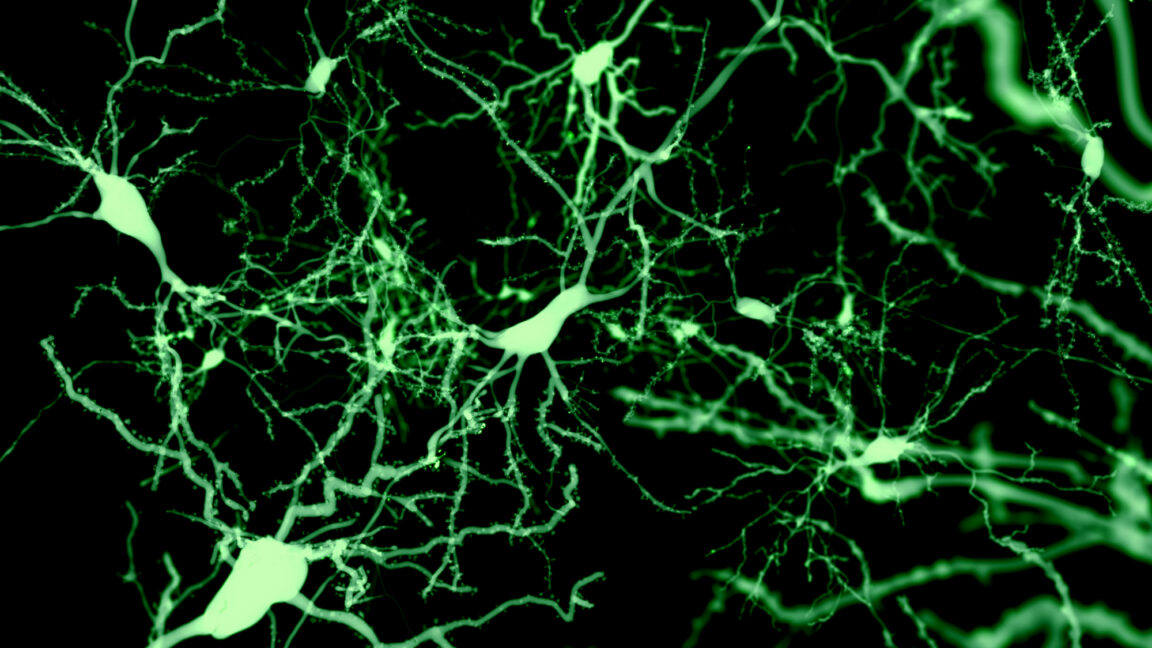
Rare cells with widespread connectivity seem to be able to trigger sleep.
The discovery of rare cells that can trigger sleep is a significant breakthrough in understanding the complexities of the human brain. These cells, with their widespread connectivity, play a crucial role in regulating our sleep patterns, and their identification could lead to new treatments for sleep disorders. This research has the potential to impact millions of people worldwide who suffer from sleep-related problems, and its implications extend beyond the medical field to fields like psychology and neuroscience.
The fact that these cells have widespread connectivity suggests that they are part of a larger network that controls various aspects of brain function, including sleep, arousal, and relaxation. This finding highlights the intricate and interconnected nature of the brain, where a small group of cells can have a profound impact on our overall well-being. As researchers continue to study these cells and their role in sleep regulation, we can expect to see advancements in our understanding of the neural mechanisms that govern our sleep-wake cycles.
As this research continues to unfold, it will be important to watch for potential applications in the development of new sleep therapies and treatments. The identification of these rare cells could lead to targeted interventions that help regulate sleep patterns, improving the quality of life for individuals who struggle with sleep disorders. Additionally, this discovery may also shed light on the relationship between sleep and other brain functions, such as cognition and emotional regulation, which could have far-reaching implications for our understanding of the human brain and its many mysteries.
Originally reported by arstechnica.com. WebNews adds analysis for ai & agent economy readers.