Researchers swap in human brain cells for a mouse's cortex
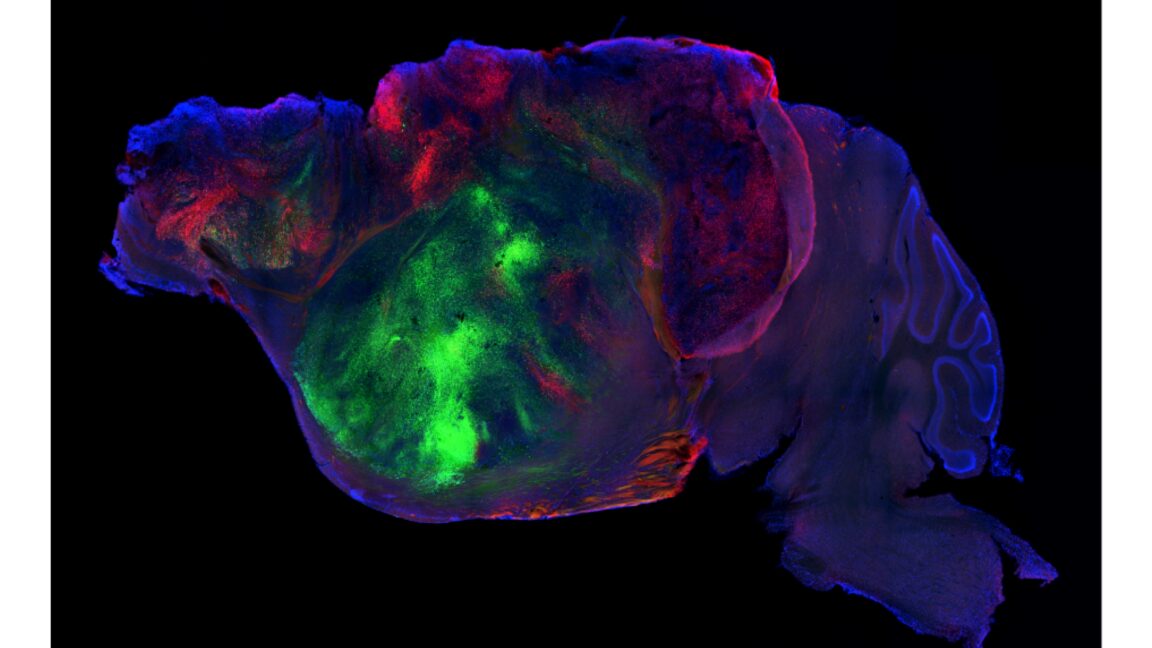
The results are only a slight improvement over missing the entire brain structure.
This breakthrough, while incremental, marks a significant step in the field of neural engineering and brain-computer interfaces. By integrating human brain cells into a mouse's cortex, researchers are edging closer to understanding the complexities of human brain function and potentially paving the way for novel treatments of neurological disorders. The fact that the results only show a slight improvement over the absence of the brain structure highlights the immense challenges in replicating the intricate human brain.
The study's findings have implications for the development of more sophisticated brain-machine interfaces and neuroprosthetic devices. As the field continues to advance, we can expect to see more innovative approaches to integrating human and artificial intelligence. The ability to seamlessly merge human brain cells with existing neural structures could revolutionize the treatment of conditions such as paralysis, depression, and anxiety. Industry players are closely watching these developments, as they hold promise for transforming the lives of millions.
As researchers build upon this achievement, the next thing to watch is how they address the scalability and functionality of these hybrid brain structures. Key questions include: Can the integrated human brain cells form functional connections with the mouse's existing neural networks? How will the brain's adaptability and plasticity influence the long-term viability of these implants? As the scientific community continues to tackle these challenges, we can expect significant advancements in the realm of neural engineering and AI-driven healthcare solutions.
Originally reported by arstechnica.com. WebNews adds analysis for ai & agent economy readers.